
Key takeaways
| Factor | What it means for you |
|---|---|
| 4x2 | One drive axle. Lightest, best fuel use, lower GCM. Suits lighter single-trailer work. |
| 6x4 | Two drive axles. The all-rounder for heavy linehaul and most combinations. |
| 8x4 | Extra axle for the heaviest work and better weight spread, at a tare cost. |
| Tare vs payload | More axles add traction and capacity but also weight, cutting payload. |
| Match to the task | Spec the configuration to your load, terrain and combination, not to the biggest option. |
The axle decision sets traction, capacity and cost
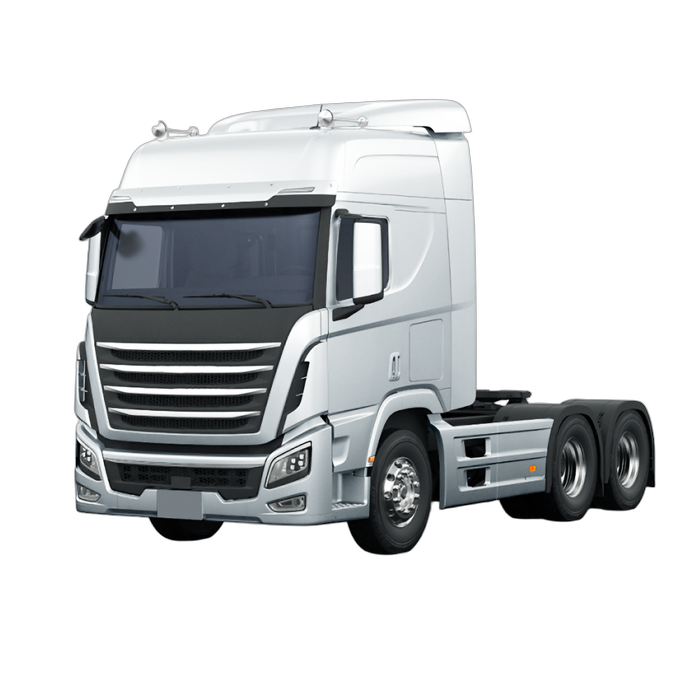
The axle configuration is the first big spec decision on a prime mover. It sets how much the truck can pull, how it handles weight and terrain, and how much of its own weight eats into your payload. The three common setups are 4x2, 6x4 and 8x4.
More driven axles mean more traction and more gross combination mass, but also more tare weight and usually higher running cost. The right answer is the lightest configuration that comfortably handles your heaviest regular load and your terrain. For pricing by configuration, see our prime mover price and buying guide.
4x2 vs 6x4 vs 8x4: side by side
| Factor | 4x2 | 6x4 | 8x4 |
|---|---|---|---|
| Drive axles | One | Two | Two, plus extra axle |
| Traction | Lower | Strong | Strongest, best weight spread |
| GCM capability | Lower | High | Highest |
| Tare weight | Lightest | Middle | Heaviest |
| Best for | Lighter single-trailer, metro | Heavy linehaul, B-doubles | Heaviest loads, demanding terrain |
Choose 4x2 for lighter single-trailer and metro work: the lower tare and better fuel use pay off when you do not need the extra traction or mass.
Choose 6x4 as the all-rounder for heavy linehaul: it handles most combinations and terrain, which is why it is the most common configuration on the road.
Choose 8x4 for the heaviest loads and demanding terrain: the extra axle gives traction and weight spread, but only commit to the added tare if your work genuinely needs it.
Australian compliance points
- Axle and axle-group mass limits are set under the Heavy Vehicle National Law, so the configuration must suit your intended mass.
- The combination you run affects the access and mass rules that apply, so match the configuration to it.
- A used prime mover needs a current roadworthy or safety inspection for your state or territory.
- A heavy combination or multi-combination licence applies depending on the configuration.
- Road-friendly suspension can matter for mass concessions on some configurations and networks.
What to check and ask before you get quotes
| What to check | What to ask the supplier |
|---|---|
| Configuration | Is this 4x2, 6x4 or 8x4, and why does it suit my work? |
| GCM rating | What is the gross combination mass rating for my heaviest load? |
| Tare weight | What is the tare, and how much payload does it leave me? |
| Traction needs | Does it have diff locks or features I need for my terrain? |
| Fuel use | What fuel use should I expect for this configuration on my routes? |
| Combination fit | Does it suit the trailers and combinations I plan to run? |
| Suspension | What suspension does it have, and does it suit my mass needs? |
| Independent check | Can I get my own inspection before I commit? |
Once you know the configuration suits your load and terrain, get quotes for prime mover trucks from a few suppliers so you can compare like for like.
Frequently asked questions
What is the difference between 4x2, 6x4 and 8x4?
The numbers describe total wheels and driven wheels. A 4x2 has one drive axle, a 6x4 has two, and an 8x4 adds a further axle for weight spread. More driven and load-bearing axles give more traction and capacity, but add tare weight.
Which configuration is most common?
The 6x4 is the all-rounder and the most common on the road, because it handles heavy linehaul and most combinations well. A 4x2 suits lighter single-trailer work, while an 8x4 is for the heaviest loads and demanding terrain.
Does more axles mean less payload?
In tare terms, yes. Each extra axle and driveline adds weight to the truck, which comes off what you can carry. The trade-off is more traction and gross combination mass, so the right choice balances capacity against payload for your work.
Is a 4x2 enough for me?
If you run lighter single-trailer or metro work on reasonable roads, a 4x2 can be the smart pick, with lower tare and better fuel use. If you regularly run heavy combinations or rough terrain, a 6x4 is usually the safer choice. If you haul plant on a low-loader, match the configuration to the trailer, as covered in our low-loader trailer buying guide.
How do I avoid overspeccing?
Start from your heaviest regular load, your combinations and your terrain, then choose the lightest configuration that handles them comfortably with a sensible margin. Buying more axles than you use costs tare, fuel and payload on every trip.
What matters most
- 4x2 is lightest and most efficient; best for lighter single-trailer work.
- 6x4 is the all-rounder for heavy linehaul and most combinations.
- 8x4 suits the heaviest loads and demanding terrain, at a tare cost.
- More axles add traction and capacity but cut payload.
- Spec to your heaviest regular load and terrain, not to the biggest option.
Get and compare prime mover truck quotes now from verified Australian suppliers, with the axle configuration matched to your work.
-160x160-state_article-rel-cat.png)
-160x160-state_article-rel-cat.png)