"
Easy to use. Multiple quotes by most brands on the list. Effective platform indeed - Thank you "
How IndustrySearch works
1. Tell us what you need
in a few quick steps
2. Get personalised quotes
from expert suppliers
3. Compare and make the
best choice
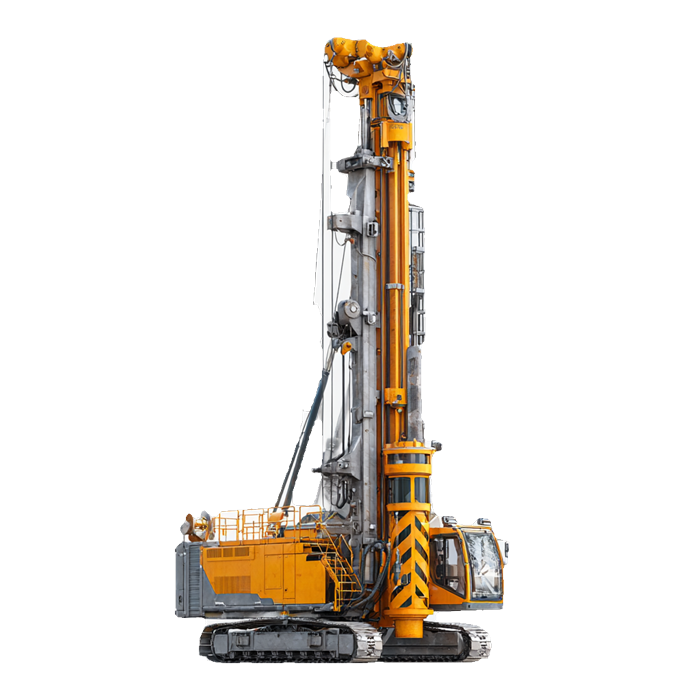
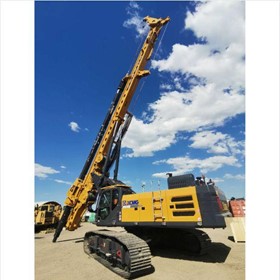
Looking to buy the best Uhi Piling & Drilling Rig for sale? Get Quotes sends your requirements to expert suppliers in Australia so you get personalised quotes to compare Piling & Drilling Rig prices, specifications, features and terms then choose the one that’s right for you. Also compare servicing, consumables and reviews, so you can buy with confidence.
United Heavy Industries Machinery | General Farm & Construction Machinery UHI Machinery has a proud history of supplying and servicing 3000+ customers in every corner in Australia. We are your one stop shop for sales & service of general farm/construction machinery needs. Our experience and reputation is second to none and we are proud to offer exceptional service to our valued customers.
Certainly! Here are the 10 most commonly asked FAQs for buying a Piling & Drilling Rig in Australia:
Sure! Here are the 10 most commonly asked FAQs for buying a Piling & Drilling Rig in Australia:
**What types of piling and drilling rigs are available?**
There are various types including rotary rigs, percussion rigs, CFA rigs, and sonic rigs, each suited for different soil conditions and project requirements.
**What factors should I consider when choosing a rig?**
Consider soil type, depth requirements, project scale, rig capacity, mobility, and available power sources.
**What is the typical price range for piling and drilling rigs in Australia?**
Prices vary widely based on size, brand, and features, ranging from AUD 100,000 for smaller rigs to over AUD 1 million for large, advanced models.
**Are there any regulations or certifications required for operating these rigs?**
Yes, operators typically need relevant licenses and training, and rigs must comply with Australian safety and environmental standards.
**What maintenance is required for piling and drilling rigs?**
Regular inspections, lubrication, hydraulic system checks, and timely replacement of wear parts are essential for optimal performance.
**Can I buy used rigs, and what should I look for?**
Used rigs are available and can be cost-effective; inspect for wear and tear, maintenance history, and operational condition.
**How important is after-sales support and service?**
Crucial for minimizing downtime; ensure the supplier offers reliable parts availability, technical support, and service options.
**What financing options are available for purchasing rigs?**
Options include leasing, loans, and hire-purchase agreements, often provided by dealers or financial institutions.
**How do I transport and set up the rig on-site?**
Transport requires suitable vehicles and permits; setup involves site preparation, rig assembly, and safety checks.
**Where can I find reputable suppliers or dealers in Australia?**
Look for established companies with good reviews, industry experience, and comprehensive product ranges, often found through industry associations or trade shows.
If you need more detailed information on any of these points, feel free to ask!
**What types of piling and drilling rigs are available in Australia?**
In Australia, a variety of piling and drilling rigs are available to suit different construction and geotechnical needs. The main types include:
**Auger Drilling Rigs**
- Used for drilling boreholes and installing continuous flight auger (CFA) piles.
- Suitable for soft to medium soils.
**Rotary Drilling Rigs**
- Employed for deep foundation work, including bored piles and drilled shafts.
- Can handle hard rock and dense soil conditions.
**Driven Piling Rigs**
- Used for driving precast concrete, steel, or timber piles into the ground.
- Includes diesel hammer rigs and hydraulic hammer rigs.
**Casing Oscillator Rigs**
- Designed to install temporary or permanent casing in unstable soils.
- Helps in maintaining borehole integrity during drilling.
**Hydraulic Piling Rigs**
- Versatile rigs capable of multiple piling methods such as CFA, rotary, and driven piling.
- Often used in urban or confined sites due to their maneuverability.
**Vibratory Piling Rigs**
- Utilize vibration to install or extract piles, commonly used for sheet piles and steel piles.
- Effective in granular soils.
**Micro Piling Rigs**
- Smaller rigs designed for installing micro piles in restricted access areas or for underpinning.
These rigs are supplied by various Australian and international manufacturers and are often customized to meet specific project requirements and site conditions.
Buyers often want to know the different types such as rotary rigs, CFA rigs, sonic rigs, and impact hammers suitable for various soil conditions.
Buyers interested in foundation and soil investigation equipment often look for different types of rigs and tools suited to various soil conditions. Common types include:
- **Rotary rigs:** Versatile machines used for drilling in a wide range of soil and rock types, suitable for creating boreholes for foundations, piling, and sampling.
- **CFA rigs (Continuous Flight Auger rigs):** Ideal for soft to medium soils, these rigs drill and place concrete simultaneously, minimizing soil disturbance and providing efficient piling solutions.
- **Sonic rigs:** Utilize high-frequency vibrations to penetrate difficult soils and mixed ground conditions, offering faster drilling and reduced noise.
- **Impact hammers:** Used primarily for driving piles into dense or hard soils by delivering repeated impact blows, suitable for various pile types and soil resistances.
Selecting the appropriate rig or hammer depends on the specific soil conditions, project requirements, and desired outcomes.
**What is the typical price range for piling and drilling rigs in Australia?**
The typical price range for piling and drilling rigs in Australia varies depending on the size, capacity, and brand. Generally, smaller or used rigs may start around AUD 100,000 to 300,000, while larger, more advanced new rigs can cost anywhere from AUD 500,000 up to several million dollars. High-end or specialized rigs with advanced features may exceed AUD 2 million. Prices also fluctuate based on market demand, equipment condition, and included attachments.
Understanding the cost helps buyers budget for new or used equipment, including additional attachments and maintenance.
Knowing the cost enables buyers to budget effectively for new or used equipment, factoring in extra attachments and maintenance expenses.
**How do I choose the right rig for my specific project requirements?**
Choosing the right rig for your specific project requirements involves several key considerations:
**Project Scope and Scale:** Determine the size and complexity of your project. Larger, more complex projects may require more advanced rigs with higher capabilities.
**Type of Work:** Identify the nature of the tasks (e.g., construction, drilling, filming, animation). Different rigs are designed for different purposes.
**Load Capacity:** Assess the weight and size of materials or equipment the rig needs to handle to ensure it can operate safely and efficiently.
**Mobility and Accessibility:** Consider where the rig will be used. If the project site is difficult to access or requires frequent relocation, a mobile or modular rig might be preferable.
**Environmental Conditions:** Take into account the terrain, weather, and other environmental factors that could affect rig performance.
**Budget Constraints:** Balance the features and capabilities you need with your budget to find the most cost-effective option.
**Technical Requirements:** Ensure the rig meets any specific technical standards or certifications required for your industry or project.
**Operator Expertise:** Consider the skill level of available operators; some rigs require specialized training.
By carefully evaluating these factors, you can select a rig that aligns with your project’s specific needs, ensuring efficiency, safety, and cost-effectiveness.
Factors include soil type, depth requirements, rig capacity, and project scale.
The key factors to consider are soil type, depth requirements, rig capacity, and the overall scale of the project.
**Are there any Australian standards or regulations I need to comply with when operating piling and drilling rigs?**
Yes, when operating piling and drilling rigs in Australia, you need to comply with several standards and regulations to ensure safety, environmental protection, and operational compliance. Key requirements include:
**Work Health and Safety (WHS) Regulations:**
Each state and territory in Australia has WHS laws based on the model Work Health and Safety Act and Regulations. These laws cover the safe operation of machinery, including piling and drilling rigs, and require risk assessments, operator training, and safe work procedures.
**Australian Standards:**
Relevant Australian Standards may include:
- **AS 2550 series** – Cranes, hoists, and winches (if your rig involves lifting operations).
- **AS/NZS 4024 series** – Safety of machinery.
- **AS 4970** – Protection of trees on development sites (if applicable).
- Standards related to noise and vibration control.
**Environmental Regulations:**
Compliance with environmental protection laws is required, including managing soil disturbance, controlling dust and noise, and preventing contamination.
**Local Council and State Permits:**
You may need permits for operating heavy machinery on site, especially in urban or environmentally sensitive areas.
**Manufacturer’s Guidelines:**
Following the equipment manufacturer’s operational and maintenance instructions is essential for safety and compliance.
It is advisable to consult the specific WHS authority in your state or territory (e.g., SafeWork NSW, WorkSafe Victoria) and review relevant Australian Standards to ensure full compliance.
Compliance with Work Health and Safety (WHS) laws, environmental regulations, and equipment certification is crucial.
Compliance with Work Health and Safety (WHS) laws, environmental regulations, and equipment certification is essential to ensure a safe workplace, protect the environment, and maintain legal and operational standards.
**What are the maintenance requirements and costs associated with these rigs?**
Could you please specify which rigs you are referring to? This will help me provide accurate information about their maintenance requirements and costs.
Buyers want to know about routine servicing, parts availability, and expected downtime.
Buyers are interested in information about routine servicing, the availability of parts, and the expected downtime associated with maintenance.
**Can I buy used piling and drilling rigs in Australia, and what should I look out for?**
Yes, you can buy used piling and drilling rigs in Australia. There is a market for second-hand equipment through dealers, online marketplaces, and equipment auctions. When purchasing used rigs, consider the following:
**Condition and Maintenance History:** Check for wear and tear, service records, and any past repairs to assess the machine’s reliability.
**Brand and Model Reputation:** Some brands and models are known for durability and easier maintenance.
**Compliance and Certifications:** Ensure the equipment meets Australian safety and operational standards.
**Age and Usage Hours:** Older rigs or those with high usage may require more maintenance.
**Availability of Spare Parts:** Confirm that parts are readily available locally.
**Inspection and Testing:** If possible, inspect the rig on-site and test its functionality.
**Seller Credibility:** Buy from reputable dealers or individuals with good reviews.
**Price Comparison:** Compare prices with similar rigs to ensure a fair deal.
By carefully evaluating these factors, you can find a suitable used piling or drilling rig in Australia that meets your project needs and budget.
Guidance on inspecting used equipment, verifying service history, and assessing wear and tear.
When inspecting used equipment, start by thoroughly examining its physical condition for any signs of damage, rust, or excessive wear. Verify the service history by reviewing maintenance records to ensure regular upkeep and identify any past repairs or recurring issues. Assess wear and tear by checking critical components such as engines, hydraulics, tires, and electrical systems for functionality and longevity. Additionally, test the equipment under operating conditions if possible to detect performance problems. This comprehensive approach helps ensure the equipment is reliable and worth the investment.
**What is the availability of spare parts and after-sales support in Australia?**
The availability of spare parts and after-sales support in Australia is generally reliable and well-established. Most major brands and products have authorized service centers and distributors across the country, ensuring access to genuine spare parts. Additionally, many companies offer comprehensive after-sales services, including warranties, repairs, and customer support, to assist consumers promptly. However, availability can vary depending on the product type and brand, with some specialized or imported items potentially facing longer wait times for parts. Overall, customers in Australia can expect good support and reasonable access to spare parts for most common products.
Ensuring local support for repairs and parts replacement is important for minimizing project delays.
Ensuring local support for repairs and parts replacement is crucial to minimizing project delays by enabling quicker response times and reducing downtime.
**Are financing or leasing options available for purchasing piling and drilling rigs?**
Yes, financing and leasing options are often available for purchasing piling and drilling rigs. Many equipment dealers and manufacturers offer flexible payment plans, including loans, leases, and rental agreements, to help businesses acquire these costly machines. Additionally, third-party financial institutions may provide specialized financing solutions tailored to heavy equipment purchases. It's advisable to contact specific sellers or financial providers to explore the terms and options that best suit your needs.
Information on loans, leasing programs, or rental options to ease upfront costs.
Many lenders and companies offer various options to help reduce upfront costs through loans, leasing programs, or rental plans:
**Loans:** Traditional personal loans or specialized financing options allow you to borrow the full or partial amount needed and repay over time with interest. Some lenders offer low-interest or zero-interest promotional periods.
**Leasing Programs:** Leasing lets you use equipment, vehicles, or property for a fixed period by paying monthly fees. At the end of the lease, you may have the option to purchase the item, renew the lease, or return it. Leasing often requires little to no down payment.
**Rental Options:** Renting provides short-term access without long-term commitments or large upfront payments. This is ideal for temporary needs or when you want to avoid ownership responsibilities.
These options can make expensive purchases more manageable by spreading costs over time or reducing initial cash outlays. It’s important to compare terms, interest rates, fees, and flexibility to choose the best solution for your financial situation.
**What training or certification is required to operate piling and drilling rigs safely in Australia?**
In Australia, operating piling and drilling rigs safely typically requires specialized training and certification to ensure compliance with workplace health and safety regulations. Key requirements include:
**High Risk Work Licence (HRWL):**
Operators usually need a High Risk Work Licence issued by the relevant state or territory authority. For piling and drilling rigs, this often falls under the category of "Dogging," "Rigging," or "Crane" licences, depending on the equipment used.
**Formal Training Courses:**
Completion of accredited training courses specific to piling and drilling rig operation is essential. These courses cover safe operation, hazard identification, equipment maintenance, and emergency procedures.
**Workplace Health and Safety (WHS) Compliance:**
Operators must be trained in WHS regulations relevant to construction and heavy machinery operation, including risk management and safe work method statements (SWMS).
**On-the-Job Experience:**
Practical experience under supervision is often required to demonstrate competency before full certification is granted.
**Additional Certifications:**
Depending on the job site, additional certifications such as first aid, confined space entry, or working at heights may be necessary.
Overall, safe operation of piling and drilling rigs in Australia mandates obtaining the appropriate High Risk Work Licence, completing accredited training, and adhering to WHS standards.
Details on operator licenses, training courses, and competency requirements.
Certainly! Here's a summary covering operator licenses, training courses, and competency requirements:
**Operator Licenses:**
- Typically required for individuals operating specialized machinery or equipment (e.g., cranes, forklifts, heavy vehicles).
- Issued by relevant regulatory bodies or authorities after meeting specific criteria.
- May have different classes or categories depending on the equipment type and operational scope.
- Often need periodic renewal and may require proof of ongoing competency.
**Training Courses:**
- Designed to provide theoretical knowledge and practical skills necessary for safe and effective operation.
- Can be mandatory before obtaining an operator license.
- Include topics such as equipment operation, safety protocols, maintenance procedures, and emergency response.
- Delivered through accredited institutions or training providers.
- May involve classroom instruction, hands-on practice, and assessments.
**Competency Requirements:**
- Operators must demonstrate the ability to safely and efficiently operate equipment.
- Competency is assessed through practical tests, written exams, or on-the-job evaluations.
- Ongoing competency may be maintained through refresher courses or continuous professional development.
- Employers are often responsible for ensuring operators meet competency standards.
- Compliance with legal and industry standards is essential to minimize risks and ensure workplace safety.
If you need information on a specific type of operator license or industry, please let me know!
**How does fuel efficiency and environmental impact factor into choosing a piling and drilling rig?**
When choosing a piling and drilling rig, fuel efficiency and environmental impact are important considerations because they directly affect operational costs and sustainability. Fuel-efficient rigs reduce fuel consumption, lowering operating expenses and minimizing greenhouse gas emissions. Additionally, rigs with environmentally friendly features—such as lower emissions, noise reduction technologies, and compliance with environmental regulations—help minimize the ecological footprint of construction projects. Selecting equipment that balances performance with fuel efficiency and environmental responsibility supports sustainable construction practices and can enhance a company’s reputation and regulatory compliance.
Get 3+ Quotes Now - Compare prices, availability and quality. It’s free, quick and secure.
Back to top
Piling & Drilling Rig Costs and Supplier Insights
The listed price of a Piling & Drilling Rig for sale ranges from $450,000 to $1,200,000, averaging $825,000.
Use Get Quotes to receive personalised prices and proposals from trusted suppliers with top reviews and excellent service.
Buy a Piling & Drilling Rig Near Me
Save time and delivery costs while getting fast support, by contacting Piling & Drilling Rig suppliers near you.