
Key takeaways
- What you will pay: Tray sealers typically list from $5,000 to $30,000, averaging around $17,500. Manual benchtop units start near $5,000, semi-automatic run $15,000 to $40,000, and fully automatic inline machines reach $40,000 to $120,000 or more.
- The hidden cost: Tray-specific dies run about $1,500 to $5,000 per format, and every new tray shape needs its own die, so budget tooling upfront.
- MAP earns its keep: Modified atmosphere packaging extends shelf life, which cuts waste and opens retail and ready-meal channels, and it is the main reason a machine costs more.
- Why now: Food manufacturing faces a growing packer shortage, and a tray sealer replaces slow, repetitive hand-sealing with consistent, compliant output.
- The decision: Match output, automation level, and tooling to your trays and volume before you compare price.
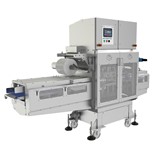
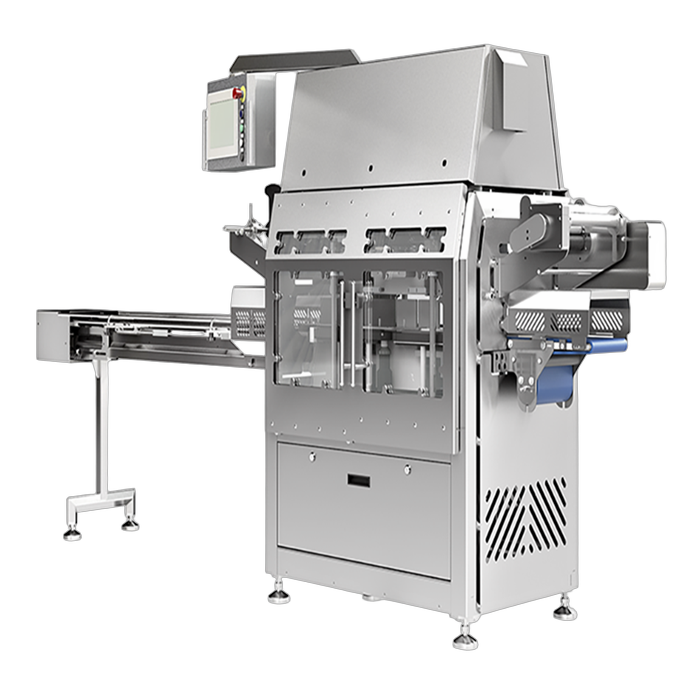
An automatic tray sealing machine heat-seals a film lid onto a food tray, giving you a clean, leak-proof pack that looks retail-ready and, with gas flush, lasts far longer on the shelf. For a food producer, caterer, butcher, or ready-meal maker, it is the step from hand-wrapping to a proper production line. But the price tag on the machine is only part of the spend, and the tooling most buyers forget can add thousands. This guide sets out what tray sealers cost in Australia in 2026, the specs that change the number, and the hidden costs to plan for.
Why sealed packaging is worth the investment
Australia's food and grocery manufacturing sector is the country's largest manufacturing industry, turning over about $173 billion and employing roughly 300,000 people, according to the Australian Food and Grocery Council. Prepared meal manufacturing alone is a $1.9 billion industry, per IBISWorld, and every one of those trays needs a reliable seal.
Two pressures make automation compelling. First, food waste: Australia wastes around 7.6 million tonnes of food a year at a cost of roughly $36.6 billion, with manufacturing responsible for about a quarter of it, and the nation has a target to halve food waste by 2030, per the Department of Climate Change, Energy, the Environment and Water. Modified atmosphere packaging directly extends shelf life, cutting spoilage. Second, labour: analysis for the food and grocery sector projects a shortage of around 5,000 packers by 2035, so a machine that seals consistently without a line of hands is a direct answer to a workforce gap.
What a tray sealing machine costs in Australia
Price scales with automation and speed. Treat the bands below as a price guide for comparison rather than fixed quotes.
| Type | Typical price range | Output |
|---|---|---|
| Manual / benchtop | $5,000 - $12,000 | 2 to 6 trays per minute |
| Semi-automatic | $15,000 - $40,000 | 4 to 12 trays per minute |
| Fully automatic inline | $40,000 - $120,000+ | 10 to 30+ trays per minute |
| Tray dies / tooling (per format) | $1,500 - $5,000 | One die per tray shape |
The tray sealer category on the marketplace averages around $17,500, and the wider food packaging machine category runs to $50,000 for higher-end lines. The number buyers most often miss is tooling: each tray shape and size needs its own die at roughly $1,500 to $5,000, so a business running several tray formats should cost all of them upfront. Modified atmosphere packaging adds cost at every tier, and the gas infrastructure of regulators and piping can add a further $3,000 to $8,000. Plan for running costs too: gas is only cents per tray, but annual maintenance commonly falls around $2,000 to $6,000. Look at total cost of ownership across the machine, tooling, and consumables rather than the price tag alone. Compare current listings on the tray sealer and food packaging machine pages.
The specs that decide the price
These are the features to line up when you request quotes:
- Output: Measured as trays per cycle multiplied by cycles per minute. A four-impression tool at six cycles a minute seals about 24 trays a minute. Size it to your peak production.
- Automation level: Manual benchtop for low volume, semi-automatic for growing lines, and fully automatic inline for high-volume continuous production.
- MAP and vacuum: Gas flush replaces the air in the pack to extend shelf life, and some machines add a vacuum step. This capability is the main driver of both price and value.
- Tray compatibility and tooling: Confirm the seal area and the tray shapes you use, and check changeover time between dies. Tool-free changeover under ten minutes is a premium feature.
- Film compatibility: The lidding film must be validated against your tray material for a reliable, leak-proof seal.
- Power and air: Benchtop units often run single phase, while semi-automatic and inline machines usually need three-phase power and a compressed-air supply, so check your site services.
- Compliance: Sealed food packaging sits under the FSANZ Food Standards Code, so seal integrity is a food-safety requirement, not just a quality one.
Matching the machine to your production
The biggest sizing errors come from buying on the machine price alone and forgetting tooling, gas, and changeover. Map your tray formats and your peak volume, decide whether shelf-life extension matters to your channel, and cost the full package before you shortlist.
A realistic scenario
Picture a Melbourne ready-meal business hand-sealing about 400 meals a day across three tray sizes and struggling to win a supermarket contract that demands a longer shelf life and a consistent, leak-proof pack.
A semi-automatic MAP tray sealer around the $28,000 mark gives them gas flush for extended shelf life, a leak-proof seal that meets the retailer's spec, and the throughput to grow. Crucially, they budget for three dies at roughly $2,500 each and the gas infrastructure upfront, so the real project cost is closer to $40,000, not $28,000. The shelf-life gain cuts waste and unlocks the contract, while the machine removes a repetitive manual task from a stretched team. Because sealing extends shelf life and reduces spoilage, the commercial vacuum sealer buying guide is useful background on where sealing and vacuum fit, and lower-volume operators can compare a commercial vacuum sealer as a cheaper starting point.
Frequently asked questions
How much does an automatic tray sealing machine cost in Australia?
Tray sealers generally list from $5,000 to $30,000, averaging around $17,500. Manual benchtop units start near $5,000, semi-automatic run $15,000 to $40,000, and fully automatic inline machines range from $40,000 to $120,000 or more. Tooling and gas infrastructure add to those figures.
What is the extra cost of tray dies and tooling?
Each tray shape and size needs its own die, costing roughly $1,500 to $5,000 per format. This is the cost buyers most often overlook, so a business running several tray types should budget for every current and planned format upfront rather than discovering it later.
What is MAP and is it worth paying for?
Modified atmosphere packaging replaces the air inside the pack with a gas mix to slow spoilage and extend shelf life. It adds cost through the sealer and gas infrastructure, but for chilled, retail, or ready-meal products it is often what makes a longer shelf life and a supermarket listing possible.
What power and services does a tray sealer need?
Benchtop units often run on single-phase power, while semi-automatic and inline machines usually need three-phase power plus a compressed-air supply of around six to eight bar. MAP models also need a gas connection, so confirm your site services before buying.
What matters most
A tray sealing machine is a production decision, not a single price tag. Match the output and automation level to your volume, confirm the tray formats and tooling you need, and decide whether MAP shelf-life extension suits your product and channel. Budget for the dies, gas, and servicing alongside the machine, and you will size the real cost accurately. Get the fit right and a tray sealer lifts your shelf life, your seal quality, and your capacity at once. Buy on the headline price and the tooling bill will surprise you.
Ready to match output, tooling, and MAP options to your line and compare pricing? Get quotes from tray sealer suppliers across Australia here.
-160x160-state_article-rel-cat.png)