
Key takeaways
- Finance got dearer, not cheaper: the RBA reversed 2025's cuts with three hikes in 2026, taking the cash rate to 4.35% and lifting the monthly cost of any financed machine.
- Running costs rose, then eased: a Middle East energy shock pushed diesel and freight up through the quarter, with fuel pressure easing by late June as local prices fell.
- The write-off stopped being a deadline: the $20,000 instant asset write-off was announced as permanent from 1 July 2026, removing the old "buy before it disappears" rush.
- Timing still matters: to claim the deduction, the asset must be installed and ready to use by 30 June.
- Buyers got sharper, not absent: on IndustrySearch we saw strong interest in used trucks, prime movers, tippers and other transport, plus excavators, wheel loaders, skid steers and dozers, as buyers chased clearer payback.
- The wider market stayed active: ABS data showed equipment and machinery investment at a record high, led by data centres - so the story is discipline, not retreat.
- Drones are emerging: early, growing interest in agricultural drones for spraying, seeding and crop monitoring, on the same productivity-and-payback logic.
Executive summary: In the April to June 2026 quarter, industrial equipment buyers were still active, but the buying maths tightened. Higher finance costs, volatile diesel and freight, and a permanent instant asset write-off pushed buyers away from deadline-driven purchases and toward clearer payback. On IndustrySearch, that showed up as strong interest in used trucks and other transport, in excavators, wheel loaders, skid steers and dozers, and in steady rural activity, with agricultural drones an emerging category to watch. But the wider market was not simply pulling back: ABS data showed equipment investment at a record high, led by data centres, while construction and engineering stayed material demand drivers. The story is not "buyers stopped buying." It is "buyers bought with sharper utilisation, cash-flow and operating-cost discipline." This is market intelligence, not a finance pitch.
The cost of borrowing went up
For most of 2025, the story was rate relief. That reversed. The RBA cut three times in 2025, then hiked three times in 2026 - in February, March and May - taking the cash rate to 4.35%. It held at the 16 June meeting. (Source: Reserve Bank of Australia; next decision 11 August 2026.)
Most equipment is bought with borrowed money, and the repayment is priced off that rate. A machine that fit the budget in 2025 costs more each month now. When borrowing gets dearer, buyers protect monthly cash flow. That usually means buying only where utilisation and payback are clear - and, for job-based purchases, often the machine that does today's job rather than paying for capacity that may sit idle.
Running costs climbed, then eased
The second squeeze was fuel. A Middle East energy shock pushed oil higher through the quarter, and the RBA cited sharply higher fuel and commodity prices as a reason inflation stayed elevated. (Source: Reserve Bank of Australia.) Diesel sits in the running cost of nearly every truck and earthmover, and freight moves with it.
By late June, the pressure was easing as conflict risk moderated and local fuel prices fell. The ACCC reported retail petrol in many capitals back around or below pre-conflict levels and diesel continuing to fall. (Source: ACCC, 19 June 2026.) The saving had not fully flowed through to every buyer, freight lane or surcharge, but the direction was down. For a buyer sitting in Q2, though, diesel and freight had been up, on top of dearer finance.
The write-off stopped being a deadline
The third change was tax. In the 2026-27 Federal Budget (12 May 2026), the Government announced the $20,000 instant asset write-off would be made permanent from 1 July 2026, for small businesses with turnover under $10 million, for eligible assets costing less than $20,000, per asset. (Source: 2026-27 Federal Budget.)
For years the write-off was a temporary measure, renewed at the last minute. That created an annual rush to buy before it vanished. Making it permanent removes that pressure - the threshold is not going anywhere. (Confirm final legislative status before publishing.)
One rule has not changed. To claim the deduction in a given year, the asset must be first used or installed ready for use by 30 June, not just ordered or paid for. (Source: ATO.) So the end-of-year question shifts from "buy now before the rule dies" to "if you want this year's deduction, have it on-site and working by 30 June." That makes for a calmer, more deliberate buyer.
What the enquiry behaviour showed
Against that backdrop, the standout on IndustrySearch was where interest grew. Transport categories were active across the board: used trucks drew strong interest as buyers weighed a serviceable second-hand unit against a new purchase, alongside prime movers, tippers, curtainsiders, refrigerated trucks, garbage trucks and skip loaders. The common thread was a buyer matching the truck to the actual job and the actual hours, rather than over-specifying.
Earthmoving and materials handling told the same story. We saw stronger interest in excavators, wheel loaders, skid steers and dozers, with the lean toward the compact, lower-cost unit that still does the work. That lines up with buyers protecting cash flow under dearer finance and higher running costs.
This is our observed enquiry behaviour, not a whole-market verdict. It is better read as buyers becoming more selective than as buyers stepping back. When a buyer needs a machine, they still buy one. They just favour the option with the clearest payback, and weigh it against the alternatives below.
The wider market was still investing
It would be a mistake to read Q2 as everyone pulling back. ABS figures showed new equipment and machinery investment at the highest level in the history of the series, up 18.1% in the March quarter. (Source: Australian Bureau of Statistics.)
The detail matters. Much of that lift was data-centre equipment - server racks and processing hardware - not broad industrial machinery. But data centres also pull in power, cooling, electrical gear, cabling and materials handling, so the buildout still touches plenty of industrial suppliers. The honest read: investment was strong where utilisation was obvious, while job-based buyers were sharper on cost. Both can be true at once.
Buyers compared more than machine size
Dearer finance does not only push buyers toward smaller machines. It pushes them to compare every option: buy versus hire, new versus used, upgrade versus repair. The deciding question is utilisation - how many hours the asset will actually work - set against the monthly repayment.
This is where "run the full cost, not the sticker price" really lands. Repayment plus diesel plus freight plus maintenance and downtime is the number that matters, and in Q2 buyers were doing that maths harder than they had in a while.
Agriculture stayed active, selectively
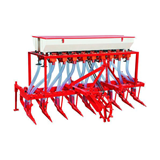
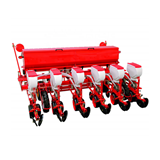
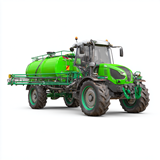
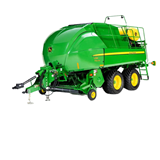
Rural and agricultural equipment held interest through the quarter. That is genuine, but the caveat is bigger than seasonality. ABARES expects the value of agricultural production to ease in 2026-27, with high fuel and fertiliser costs still pressuring growers. (Source: DAFF/ABARES.) So read rural demand as selective and ROI-led, not broad-based confidence. The winning offer is practical, available, serviceable and defensible on payback - not a discretionary upgrade.
One category to watch is agricultural drones. Interest is emerging as growers look at spraying, seeding and crop monitoring that can cut labour and input waste - exactly the productivity-and-payback logic driving the rest of rural buying this quarter. Treat this as early, growing interest rather than an established category, and let buyer enquiry data confirm the trajectory before leaning on it hard.
What this means for buyers
If you are sourcing equipment now, the forces point the same way. Borrowing is dearer, diesel is volatile but easing, and the write-off rewards planning over panic.
The practical moves: size to the job and the hours you will actually use, not the forecast. Compare buy, hire, used and repair on whole-of-life cost, not sticker price. And if you want this year's deduction, get the unit installed and working before 30 June.