

Key takeaways
- What the market is: Used excavators in Australia sell through dealer yards, private sellers, and auction houses, spanning sub-3.5 tonne minis to 20 tonne plus production machines, typically at 30 to 50 per cent below the new equivalent.
- Start with the work, not the listing: Size class, dig depth, access, and attachments decide which machines are even candidates. Shortlisting by price first is how buyers end up with a machine that cannot reach half their sites.
- Inspect the expensive systems: Undercarriage, hydraulics, and pins carry the biggest repair bills. Their condition, not the machine's age, tells you what you are really paying.
- Verify before you trust: Cross-check the hour meter against wear and service records, and run a $2 PPSR search so a financier cannot repossess the machine after you have paid for it.
- Choose your channel deliberately: Dealer, private, and auction purchases carry very different risk. The cheapest channel shifts all inspection risk and recourse onto you.
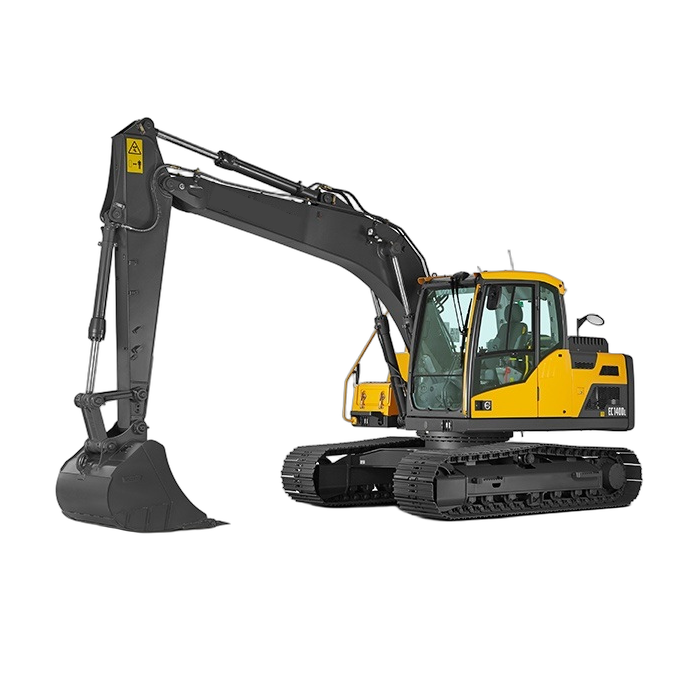
The used excavator market in Australia covers everything from sub-3.5 tonne minis changing hands privately to 20 tonne plus production machines sold through dealer yards and auction houses, and a well-kept machine typically lands 30 to 50 per cent below its new equivalent. That saving is the entire appeal, and it is real, but only for buyers who choose well. A poorly chosen machine costs you twice: once at purchase, and again in downtime and repairs. The difference is rarely luck. It comes down to disciplined buying: define the work, shortlist the right machines, inspect the systems that fail expensively, verify the seller's claims, and pick the sales channel that matches your risk appetite. This guide covers each of those decisions, focusing on the friction points where Australian buyers most often get burned.
Match the machine to the work
The used market punishes vague requirements. Clean machines sell fast, so buyers without a clear spec either rush a bad purchase or lose the good ones while deciding. Australia's site preparation sector is a fragmented market of small contractors, according to IBISWorld, and many of them are hunting the same well-kept machines you are. Before you look at a single listing, pin these down:
- Size class: This is the decision everything else hangs off. It sets transport requirements, site access, and running costs. A mini excavator under 3.5 tonnes tows behind a ute and fits tight residential access; a 20 ton excavator needs a float and a truck licence every time it changes sites. Buying bigger than your access allows means paying for capability you cannot deploy.
- Dig depth and reach: Size against your deepest regular job, not your deepest ever job. Oversizing for a once-a-year task adds purchase cost, fuel burn, and transport cost to every other job you do.
- Attachments and hitch: List the buckets and attachments the work actually needs, and confirm the machine's coupler standard and pin size match what you own. A hitch mismatch discovered after purchase is an easy four-figure surprise, and hydraulic attachments like breakers must be matched to the machine's flow rate.
- Support for the brand: A cheap machine from a brand with no local dealer or parts network stops being cheap the first time it needs a part shipped from overseas. Downtime is a cost even when the part is not.
Inspect where the money hides
Photos sell paint. Inspections buy machines. Work through the systems below in order, because this is where repair bills concentrate, and every fault you find is either a negotiation point or a reason to walk:
- Undercarriage first: Tracks, rollers, idlers, and sprockets are the most expensive wear system on a tracked machine, and replacement can climb into five figures on a mid-size unit. Ask for the wear percentage and check it yourself: a machine at 70 per cent undercarriage wear is a fundamentally different purchase to the same machine at 20 per cent.
- Hydraulics under load: Run every function hard and watch for slow cycles, drift, jerky slew, and heat. Pump and cylinder work commonly runs into the thousands, and milky or burnt hydraulic oil is a walk-away signal at anything but a heavy discount.
- Pins and bushes: Grab the bucket and rock it. Slop in the boom, arm, and hitch means machining or replacement, and it compounds, because loose pins accelerate wear in everything they connect to.
- Structure and welds: Look for repair beads on the boom, arm, and around the slew ring. A disclosed, professional repair is not fatal. An undisclosed one tells you how the machine was worked and how much to trust everything else the seller says.
- Cold start and oil: Start the engine cold, watch the smoke, and on any serious purchase pay for an independent inspection with oil sampling. It costs a few hundred dollars and documents exactly what to negotiate off the price. It usually pays for itself several times over.
Verify the hours and the title
Two claims need independent verification on every used machine: how much it has worked, and whether the seller actually owns it outright.
The hour meter is a claim, not a fact. Cross-check the reading against the service history, seat and pedal wear, and polish on the controls. Machines under 5,000 hours hold value best, and well-maintained units up to 10,000 hours can still perform strongly, but a wound-back meter hides component life you are paying for and never receiving.
Ownership is the friction point with the most brutal downside. If money is still owing on the machine, the financier's security interest can survive the sale, which means the excavator can be repossessed after you have paid in full. The protection is a $2 search on the Personal Property Securities Register before any money changes hands. Excavators are generally treated as motor vehicles for PPSR purposes, so search by serial or chassis number, then run a second search against the seller's details (company ACN, or full name and date of birth for an individual) to catch registrations lodged against the owner rather than the machine. If anything shows, do not proceed until the seller provides proof of release, and keep your search certificate as evidence of clear title.
Choose the sales channel deliberately
The same machine is a different purchase depending on where you buy it, because each channel distributes inspection risk and recourse differently:
| Channel | Typical price | What you carry |
|---|---|---|
| Dealer | Highest | Lowest risk: inspected stock, often a short warranty, PPSR usually handled |
| Private sale | Middle | All due diligence is yours: inspection, PPSR, and no recourse after payment |
| Auction | Lowest | Sold as-is with limited inspection time, plus buyer's premium and transport |
A dealer-refurbished machine with a short warranty is often worth the premium over an auction bargain once you account for the inspection you cannot do and the recourse you do not get. If auction pricing is the only way your numbers work, budget as though the machine needs immediate work, because as-is machines usually do. Whichever channel you choose, remember the quote is not the whole cost: transport, an immediate service, and any missing attachments land on top, so compare machines on the delivered, working price. For the current price bands by size and age, the used excavator price guide for Australia breaks them down in detail.
A realistic scenario
A civil contractor in regional Victoria needs a 13 tonne machine for drainage work and finds two candidates: a private sale at $72,000 and a dealer unit at $84,000 with a three month warranty. The private machine looks cleaner in photos. The inspection tells a different story: 60 per cent undercarriage wear, a slow slew under load, and no service records for the last two years. Priced honestly, it needs around $15,000 of work within the year, carried entirely by the buyer.
The dealer machine has fresh tracks, a documented history, and the PPSR search already handled, with warranty cover on exactly the components most likely to fail. The cheaper machine was the more expensive one. The contractor buys from the dealer, and uses the documented faults on the private machine as the benchmark for what a fair offer on it would have been.
Frequently asked questions
How many hours is too many on a used excavator?
Under 5,000 hours is considered low-use and holds value best. Well-maintained machines up to 10,000 hours can still deliver, but condition and service history matter more than the number itself.
Do I really need a PPSR search if I trust the seller?
Yes. The seller may not even know a financier's registration is still active. The search costs $2, takes minutes, and the certificate protects you if a security interest surfaces later.
Is an older low-hour machine better than a newer high-hour one?
Not automatically. Long idle periods degrade seals and hoses, and an older machine may face harder parts availability. Judge each machine on component condition and brand support, not build year alone.
Should I buy the biggest machine my budget allows?
No. Size to your regular work and your tightest access. An oversized machine costs more to buy, transport, fuel, and insure on every job, and access limits can rule it out of sites entirely.
What matters most
Buying a used excavator well is a process, not a bargain hunt. Define the work first so size class, reach, and attachments shortlist the machines for you. Inspect the undercarriage, hydraulics, and pins because that is where the repair bills concentrate. Verify the hours against the wear and run the $2 PPSR search, because no discount covers a repossessed machine. Then pick the channel that matches how much risk you can carry, and negotiate on documented findings rather than gut feel. Buyers who follow the process pay less over the life of the machine, even when they pay more on the day.
Ready to shortlist machines from verified suppliers? Get quotes on used excavators from suppliers across Australia here.




-160x160-state_article-rel-cat.png)


