


As Australia's tyre recycling industry continues to grow, operators are under increasing pressure to process larger volumes safely, efficiently and at lower operating costs. Whether handling passenger tyres, truck tyres or large off-the-road (OTR) mining tyres, selecting the right processing equipment is critical to achieving consistent throughput and producing marketable end products.
Rather than relying on a single machine, modern tyre recycling facilities use a staged processing approach that prepares tyres for each subsequent reduction stage. This improves productivity, reduces wear on downstream equipment and creates higher quality tyre-derived fuel (TDF), rubber products and recoverable steel.
Processing OTR Tyres Presents Unique Challenges
OTR tyres used in mining and heavy industry can weigh several tonnes and contain large quantities of reinforced steel. Their size makes transportation expensive, while conventional shredders are often not designed to handle complete OTR tyres efficiently.
By reducing the tyre before shredding, operators can improve safety, lower transport costs and significantly increase the efficiency of the recycling process.
Step One: OTR Debeading
Removing the steel bead bundles is often the first stage when processing large mining tyres.
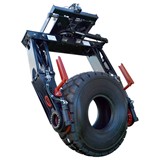
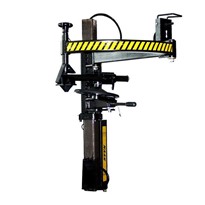
The Eagle OTR Debeader removes both bead bundles from radial tyres ranging from 20.5R25 through to 59/80R63. Removing these heavy steel components makes tyres easier and safer to handle while protecting downstream shredding equipment from unnecessary wear. The Eagle range also includes models suitable for passenger, truck and super single tyres, making the technology suitable across a broad range of tyre recycling applications.
For operations processing mining tyres, debeading is an important first step before splitting, shearing or shredding.
Step Two: High Throughput Tyre Shredding
Once tyres have been prepared, high-capacity primary shredders perform the initial size reduction.
The Barclay Primary Shredder is designed specifically for tyre recycling, processing whole passenger, truck and cut OTR tyre sections into consistent strips suitable for further processing. Depending on the application and configuration, Barclay primary shredders are capable of processing approximately 12 to 18 tonnes per hour, making them suitable for commercial tyre recycling facilities and large industrial operations.
Secondary shredding and classification can then reduce the material further into tyre-derived fuel (TDF) or prepare it for downstream rubber recovery processes.
Building a Complete Tyre Recycling Solution
Every recycling operation has different throughput requirements and desired end products.
Some operators focus on producing tyre-derived fuel, while others continue processing into rubber mulch, crumb rubber or steel recovery. A staged processing line allows equipment to be configured around the desired final product while maintaining efficient material flow throughout the plant.
This modular approach also allows facilities to expand processing capacity over time as demand grows.
Finding the Right Equipment for Your Operation
Whether you are establishing a new tyre recycling facility or expanding an existing operation, selecting equipment designed specifically for tyre processing can improve throughput, reduce operating costs and maximise equipment life.
Waste Initiatives supplies premium tyre recycling equipment, including Eagle OTR Debeaders and Barclay Tyre Shredders, supported locally throughout Australia. From passenger tyres through to the largest mining tyres, complete processing solutions can be configured to suit your production requirements.
-160x160-state_article-rel-cat.png)





-205x205.jpg)
-205x205.jpg)
-205x205.jpg)


-205x205.jpg)

-205x205.jpg)